A Starter Guide To Hiring a Home Builder
Building a custom home is a huge investment. Picking the right builder can make all the difference between your dream home and an expensive headache.
The best move? Hire your builder first—before you buy land or finalize plans. This way, they can help shape your design and budget from day one.
Construction costs average about $150 per square foot. If you choose the wrong builder, you risk blowing your budget, facing delays, and ending up with shoddy work.
The right pro will advocate for you, coordinate with architects, handle permits, and keep things on schedule and within budget.
This guide covers every step of hiring a home builder. You’ll get tips on understanding builder types, interviewing, checking credentials, and comparing contracts.
You’ll be ready to protect your investment and actually see your vision come to life.
Understanding the Role of a Home Builder
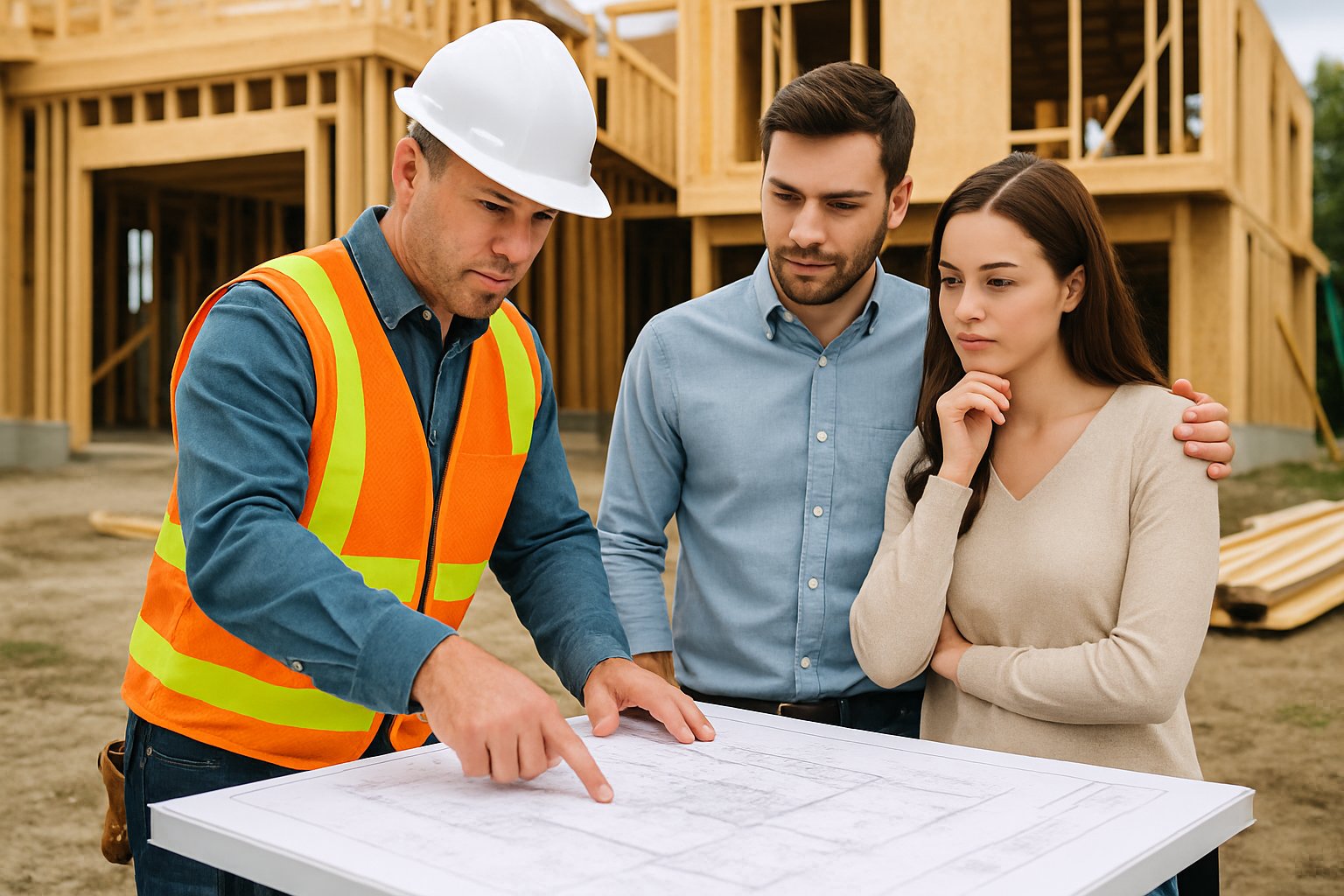
Home builders like Cass Construction in the Cambridge, Ontario area handle every phase of your new home’s construction, from the first plans to the final walkthrough. They juggle different specialists and manage each step, with timing depending on your project’s size and complexity.
What Home Builders Do
They act as the main coordinator for your build. Builders turn architectural plans into real homes by managing projects and making sure the work gets done right.
Home builder contractors do way more than just build. They pull permits, schedule inspections, and make sure everything meets local codes.
Your builder oversees subcontractors—think electricians, plumbers, roofers. They decide when each trade comes in and check that the work meets their standards.
Good builders communicate often. They update you on progress, handle your questions, and sort out any changes in materials or design.
They keep an eye on timelines and budgets, too. That means ordering materials, tracking costs, and trying to keep things moving even when weather or supply issues pop up.
Quality control never really stops. Builders inspect each phase and fix problems before moving forward.
Types of Home Builders
Custom home builders create unique homes based on your personal design and wish list. They team up with architects and designers to build spaces that fit your life.
Production builders stick to planned communities or subdivisions. They usually offer a handful of floor plans and limited customization, but they build faster and often for less.
Semi-custom builders fall somewhere in the middle. You start with a base plan, then tweak finishes, layouts, and features within certain limits.
Luxury home builders focus on high-end properties with fancy materials and custom features. They know how to handle complex designs and expensive finishes.
Renovation builders specialize in big additions or full-house makeovers. They understand the quirks of working with existing structures and local codes.
When to Hire a Home Builder
You’ll need a builder if you’re starting a house from scratch, whether on empty land or after tearing something down.
Major additions—like adding a second story or a big new room—also call for a builder’s know-how.
Whole-house renovations, especially those with big structural, electrical, or plumbing changes, usually need a pro at the helm.
Getting construction experience helps you spot when a project is too much for a DIY approach. If you need multiple permits and inspections, it’s time to call a builder.
Most people can’t manage a build full-time while holding down a job. That’s where a builder steps in.
Builders can also help you stay on budget and often get better prices on materials thanks to their supplier connections.
Defining Your Dream Home Needs and Budget

Before you start hiring a home builder, get clear on your must-haves and what you can actually afford. Knowing your priorities and budget early helps you avoid expensive changes down the road.
Identifying Must-Have Features
Make a list of non-negotiable features for your new place. Jot down the number of bedrooms, bathrooms, and main living areas you need.
Think about your daily life. Do you work from home and need an office? Host a lot of gatherings and want an open kitchen?
Don’t forget about the future. Maybe wider doorways or a main-floor bedroom will matter as you age or if your family grows.
Make two lists: must-haves and nice-to-haves. This way, you know what to cut if costs get tight.
People often forget storage. Take stock of closet space, pantry size, and garage needs.
Consider your climate. Do you need a mudroom for rainy days or AC for hot summers?
Setting a Realistic Budget
Building runs about $150 per square foot on average. A 2,500-square-foot house? That’s roughly $375,000.
Labor eats up around 40% of the budget. The rest goes to materials, permits, and design fees.
Add a 10-20% cushion for surprises—like bad soil or sudden price hikes for materials. These things happen more often than you’d think.
Don’t forget about:
- Land purchase and prep
- Utility hookups
- Landscaping and driveways
- Temporary housing
- Moving costs
Get pre-approved for a construction loan before making big plans. Lenders have different rules than regular mortgages.
Track every possible expense in a spreadsheet, even small stuff like doorknobs. It’s way too easy to miss things.
Balancing Design With Affordability
Spend most on structure and systems you can’t easily upgrade later—like framing, electrical, and plumbing.
Choose finishes wisely. Swapping out flooring or paint after you move in is easier than changing window sizes.
If your dream home is too expensive, consider building in phases. Finish the basics now, then add decks or a basement later.
Stick to standard sizes for things like windows and cabinets to save money.
Simple rooflines and rectangular layouts usually cost less than fancy shapes. Save on the shell and splurge on interior details.
Check material costs before locking in your design. Some trendy stuff is just overpriced.
Ask your builder for alternatives. Sometimes engineered materials look great and cost a lot less than the fancy options.
Researching and Shortlisting Builders
Finding the right builder takes time and good detective work. You’ll want to gather recommendations, check credentials, and look closely at their previous projects.
Gathering Recommendations
Ask friends, family, and neighbors who’ve built recently. Their stories will give you real insight into quality and professionalism.
Personal experiences from recent builds can clue you in on timelines, budgets, and communication styles.
Scan online reviews—Google, BBB, and construction sites. Look for patterns, not just one-off complaints.
Real estate agents know which builders are solid. They see the finished work and hear plenty of feedback.
Local building supply stores are another good source. They know who pays bills on time and keeps good relationships.
Community Facebook groups and neighborhood apps can be goldmines for contractor reviews and project photos.
Checking Credentials and Memberships
Make sure your shortlist has valid licenses. Check with your provincial licensing board.
Verify they have liability insurance and workers’ comp. Ask for current certificates straight from their insurer.
Look for memberships in groups like the Canadian Home Builders’ Association. That usually means they care about standards and ongoing learning.
Check their BBB rating and complaint history. A good rating means they handle issues professionally.
Search court records for liens, lawsuits, or bankruptcies. If you find a bunch, that’s a red flag.
See how long they’ve been in business under their current name. Longevity usually means more stability.
Assessing Builder Portfolios
Ask to see finished projects in your style and price range. Good builders keep photo galleries of recent work.
Drive by a few of their recent builds if you can. Seeing the work up close tells you a lot about quality.
Review detailed portfolios to check their versatility across home styles and budgets.
Look at the finishing touches—trim, paint lines, fixtures. These details reveal how much they care about quality.
Call a few recent clients. Ask about timelines, budgets, and how the builder handled any problems.
Check for consistency across projects. One gorgeous show home doesn’t mean all their work is top-notch.
Interviewing and Evaluating Home Builders

The interview stage is where you really find out if a builder fits your needs, budget, and timeline. Ask specific questions about their experience and see how well they explain things.
Key Questions to Ask
Ask about their experience with projects like yours. Ideally, a custom builder has finished at least 10-15 homes in your price range in the last few years.
Request proof of current licensing and insurance. See their general liability and workers’ comp certificates—these protect you if something goes wrong on site.
Ask about their usual project timeline and what might cause delays. Experienced builders should give you realistic estimates based on your home’s size and details.
Get a clear payment schedule. Be wary of anyone who wants big upfront payments or full payment before work starts.
Find out who will actually supervise your build day-to-day. You want a dedicated project manager or foreman who checks in often and answers your questions quickly.
Evaluating Communication and Transparency
Watch how quickly builders reply to your first questions. If they take ages to respond now, chances are communication won’t improve once construction starts.
Pay attention to whether they explain technical stuff in plain language. Good builders break down construction jargon so you actually know what’s happening with materials, methods, and possible issues.
Ask how they deal with change orders and cost overruns. Quality builders give written estimates for changes and explain how these will impact your schedule.
Request references from recent clients and actually call them. Find out how the builder communicated, whether they were on time, and how they handled hiccups during the build.
See if they’ll let you tour current job sites. Builders who are transparent usually welcome site visits—they’re proud of their work and organization.
Verifying Licensing, Insurance, and Warranties

Professional home builders need proper licensing, insurance, and solid warranty coverage. These credentials protect you from financial headaches and help ensure your custom home gets built to a good standard.
Understanding Necessary Certifications
Your builder must have valid licensing before breaking ground. Every province has its own rules for residential construction licenses.
Licensed builders in Ontario have to register with Tarion before building or selling new homes. This helps make sure they meet provincial standards.
Most provinces require contractors to pass exams on building codes and safety. These tests confirm they know the rules and standards.
Look up your builder’s license with your province’s licensing board. Many provinces have online databases for checking current licenses.
Ask to see their certifications in person. Real licenses show expiration dates and registration numbers you can double-check.
Some cities want extra local permits on top of provincial licensing. Your builder should handle all permit applications and inspections as the job moves forward.
Ensuring Proper Insurance Coverage
Your builder needs to carry full liability insurance and workers’ compensation. These policies protect you if there’s an accident during the build.
Business liability insurance covers damage or injury claims from construction. Ask for a Certificate of Insurance showing current coverage and policy dates.
Workers’ comp protects you if someone gets hurt on your property. Your builder should give you a Letter of Clearance from your province’s workers’ compensation program.
Most provinces set minimum insurance coverage amounts. Make sure your builder’s policy meets or beats these minimums.
Call your own homeowner’s insurance provider before construction starts. You might need to update your policy for construction-related risks.
In some provinces, professional builders keep bonding as well. Bonding gives you extra financial protection if the builder doesn’t finish the job.
Reviewing Warranty Terms
New home warranties protect you from construction defects and material failures. Professional home builders have to give warranty coverage in most provinces.
Warranty periods differ depending on the component and province. Structural parts usually get longer coverage than finishes or mechanical systems.
Your builder needs to explain what the warranty covers and what it doesn’t. Most exclude regular wear and tear, maintenance, and damage from misuse.
Get all warranty terms in writing in your contract. Once you sign, those terms become legally binding.
Most provincial programs require builders to meet certain financial standards. This helps ensure they can actually back up their warranty promises.
Keep records of all warranty communications and repair requests. Good documentation makes it easier to handle any warranty issues down the road.
Comparing Quotes and Contracts

Get detailed estimates and review contracts closely. It’s the best way to protect your investment and spot problems before they get expensive.
Requesting Detailed Estimates
Ask every builder for an itemized estimate. You want to see materials, labour, and timeline details broken down.
Request specs for every major part of the build—foundation, framing, insulation, and fixture brands. If you don’t have these, you can’t really compare quality.
Check that estimates include permits, site prep, and cleanup. Builders sometimes leave these out of the first quote.
Comparing builder quotes requires transparency in pricing. Insist on separate line items for electrical, plumbing, and HVAC.
Timeline matters, not just cost. Make sure each estimate lists start dates, milestones, and completion deadlines.
Reviewing Contract Essentials
Payment schedules protect both sides. Don’t agree to big upfront payments or pay in full before the work’s finished.
Contracts should specify exact materials, brands, and grades. If it just says “standard fixtures,” that’s a recipe for arguments later.
Change order procedures need to be spelled out. Decide how changes get approved and priced before work begins.
Warranty coverage should cover more than just the structure. Check what systems and parts are included, and for how long.
Essential contract elements also include license checks, insurance certificates, and lien waivers.
Recognizing Red Flags in Proposals
If a builder knocks on your door or uses high-pressure sales, be wary. Good builders rely on referrals and their reputation, not pushy tactics.
Super low estimates often mean something’s missing or corners are being cut. If one quote seems way cheaper, dig into the details.
Contractor estimates vary drastically in format, but a pro proposal should have business info and a clear breakdown.
Anyone asking for full payment upfront is a red flag. Standard practice is progress payments tied to actual work milestones.
Missing license numbers, no insurance proof, or no local references? That’s a sign to walk away. Always verify documents before you sign anything.
Making Your Final Selection

In the end, you’re looking for the right mix of budget, quality, and a builder who fits your specific project. Your choice shapes the whole building experience and the value you’ll get from your home.
Balancing Cost and Quality
Don’t let price alone decide who you hire. The lowest bid usually means something’s off with materials, workmanship, or there are hidden costs waiting to pop up.
Compare estimates line by line. Look for builders who are open about what you’re paying for—materials, labour, overhead. Questions about budgeting and cost transparency can help you see how each builder handles pricing.
Check for proper licensing, insurance, and solid warranties. Ask what grade of materials they use and what their building standards are.
Think about the total cost of owning your home. Spending more upfront on quality often means less maintenance and better resale value later.
Be careful with payment schedules. Reputable builders ask for reasonable deposits and tie payments to milestones, not big sums upfront.
Considering Fit for Your Project
Your dream home needs a builder with experience in similar projects. Specialized know-how matters more than just general construction experience, especially for complex custom builds.
Look at each builder’s portfolio for projects like yours in style, size, and budget. Some focus on luxury homes, others on more practical family houses.
Communication style really affects your experience. Choose builders who reply quickly and give regular updates in the way you prefer.
Timeline expectations need to match reality. Project completion dates should factor in permits, weather, and material delivery times.
Team structure matters for daily progress. Find out if the builder uses in-house crews or subs, and make sure you know who your main contact is.
Trust your gut about personality fit. You’ll be working with this team for months—being comfortable and sharing a vision really does matter.
Starting the Building Process
After signing the contract, set clear timelines, keep up regular communication, and get ready for changes—because there will be some during construction.
Establishing a Timeline
Your builder should give you a detailed schedule within the first week after signing. For a custom home, timelines usually run 4-6 months, depending on how big and complex it is.
The schedule needs to call out big milestones—foundation, framing, roofing, final inspection. Each phase depends on the last, so delays can ripple through the whole job.
Weather delays are common and can tack on 2-4 weeks. Builders should plan for the season when mapping out your timeline.
Permit approval can take anywhere from 2-8 weeks depending on your city. Some builders start this process early to avoid hold-ups.
- Site prep and excavation: 1-2 weeks
- Foundation: 2-3 weeks
- Framing and roofing: 4-6 weeks
- Electrical, plumbing, HVAC: 3-4 weeks
- Drywall and finishes: 4-6 weeks
- Final inspections: 1-2 weeks
Ask for weekly updates on progress and potential delays. If something pushes the timeline by more than a week, your builder should tell you right away.
Managing Communication With Your Builder
Set up a regular communication routine before construction starts. Most people find weekly progress meetings—by phone or in person—work best.
Ask your builder to send a written summary after each meeting. This keeps a record of decisions and any changes along the way.
Fast responses help the project stay on track. Your builder should get back to you within 24 hours on business days.
Schedule site visits ahead of time for safety. Don’t just show up—insurance and liability can get tricky if you’re there without the builder.
Pick one person in your household to handle communication. Too many cooks can lead to mixed messages and confusion.
Write down every change and decision. Even a quick email confirmation helps avoid mix-ups about materials, colors, or design tweaks.
Builders should send you photos of progress each week. It’s a good way to stay in the loop without needing to visit the site all the time.
Handling Changes and Issues
Change orders pop up all the time in custom home building—around 80% of projects see them. These tweaks can really mess with both your timeline and your budget.
Always get changes documented in writing before any work starts. Verbal agreements? Those usually end in arguments over costs or what was actually promised.
Ask for a clear breakdown of how each change will affect your budget. It’s smart to see labour and material costs listed separately.
Every modification can mess with your timeline. For example, adding a bathroom could push things back by two or three weeks, not just the time to do the work but everything else it disrupts.
If you spot a quality issue, act fast. Snap some photos and let your builder know within a day.
Common change order categories include:
- Electrical tweaks (like adding outlets or changing lighting)
- Plumbing upgrades (extra fixtures or swapping out existing ones)
- Switching up flooring
- Changing cabinets or countertops
- HVAC system adjustments
Keep a construction process log to track what you decide and when. It can be a lifesaver if things get messy later on.
Set aside about 10-15% of your budget for surprises. Most custom builds go over their original budget thanks to mid-project changes.
Frequently Asked Questions
Picking the right home builder isn’t just about fancy photos. You’ve got to know about licensing, financial health, and what kind of warranty actually covers you. Here are some of the big questions people ask during the hiring process.
What are the essential steps in selecting a reputable home builder?
Start by checking your builder’s license with your provincial regulator. Take a look at their Better Business Bureau rating and browse online reviews—don’t just stick to one site.
Ask for client references from the last couple of years. Actually call at least three people and find out how things went for them.
See if you can tour homes they’re building right now. You’ll get a real sense of their work quality, how tidy their sites are, and whether they take safety seriously.
Look through their portfolio of finished homes. Try to find projects like yours in style, size, and budget.
Get detailed written estimates from at least three builders. Don’t just compare prices—look at what features, timelines, and materials each one includes.
How should one evaluate the financial stability of a home construction company?
Ask for their asset to debt ratio and credit status. A solid builder won’t hesitate to share this info.
Find out how they keep funds separate for each project. Your money shouldn’t get mixed up with other clients’ or the builder’s own expenses.
Ask about their current workload. If they’re juggling too many jobs, it could mean cash flow headaches and delays for you.
Be wary if they want a big chunk of money upfront. Most trustworthy builders only need a reasonable down payment and then progress payments as work gets done.
Check that they carry the right insurance—general liability, workers’ comp, and commercial vehicle coverage.
What are the key qualities to look for in a home builder’s portfolio?
Look for consistency in craftsmanship across several projects. Good builders keep their standards high, no matter the house style or price.
Pay attention to the details—finish work, trim, paint. Those little touches say a lot about their overall quality.
See if they’ve handled different architectural styles and custom features. That shows they’re flexible and can bring your vision to life.
Ask how old the portfolio homes are and if any had major issues down the road. It’s a good way to gauge long-term quality.
Make sure their past projects line up with your budget. Builders usually do their best work in familiar price ranges.
What are the legal considerations one should be aware of before signing a contract with a home builder?
Your contract should spell out exactly what materials, fixtures, and finishes you’ll get. Vague language just leads to headaches and extra costs.
Look for a realistic timeline in the contract, plus penalties if the builder misses the agreed completion date (unless it’s out of their control).
Understand your province’s lien laws and how they protect you from subcontractor claims. Some places require lien waivers when you make payments.
Check the contract’s process for handling changes. Every modification should need written approval and clear pricing before the builder starts anything new.
Make sure cleanup and final inspection duties are defined. Otherwise, you could end up arguing about what “done” really means.
How does one effectively communicate design preferences and requirements with a home builder?
Pull together a wish list with photos from magazines, websites, or model homes. Pictures are way less confusing than words alone.
Ask for a standard features sheet so you know what’s included in the base price. That way, you won’t get surprised by upgrade costs.
Set up regular check-ins with your project manager. Weekly updates help catch small issues before they turn into big ones.
Put all decisions and changes in writing—email or change orders work. Verbal agreements just lead to confusion down the line.
Ask about their design development process—site walks, space planning, specs, all of it. The best builders walk you through every step.
What warranties and after-sale services should a quality home builder offer?
Most provincial building codes require a 10-year structural warranty. This usually covers things like the foundation, framing, and other major building elements.
Try to find builders who offer extended workmanship warranties, not just the standard one-year coverage. Quality builders provide three to five years on their craftsmanship, which feels a lot more reassuring.
It’s smart to get clear on what’s actually covered during the warranty period. Response times can vary—cosmetic problems often get fixed faster than something structural.
Ask how they handle warranty claims and manufacturer defects. Good builders will help you out with appliance and material warranty issues instead of leaving you to figure it out alone.
Also, see if they offer annual home inspections during the warranty period. The more proactive builders schedule check-ups to spot settling issues before they turn into headaches.