4 Effective Ways to Prevent Basement Flooding
Basement flooding hits millions of homeowners every year. It can wreck property and belongings, leaving folks with huge repair bills.
Water sneaks into basements in all sorts of ways—through cracks in the foundation, overwhelmed drains, or even just bad grading around the house.
There are four main strategies that really cut down your flood risk. These focus on controlling water flow, keeping drainage in check, and toughening up your home’s defenses against moisture.
If you want to protect your basement, it helps to understand how water moves near your foundation. You’ll need to tackle those weak spots before trouble starts.
1) Install a sump pump with battery backup to automatically remove excess water
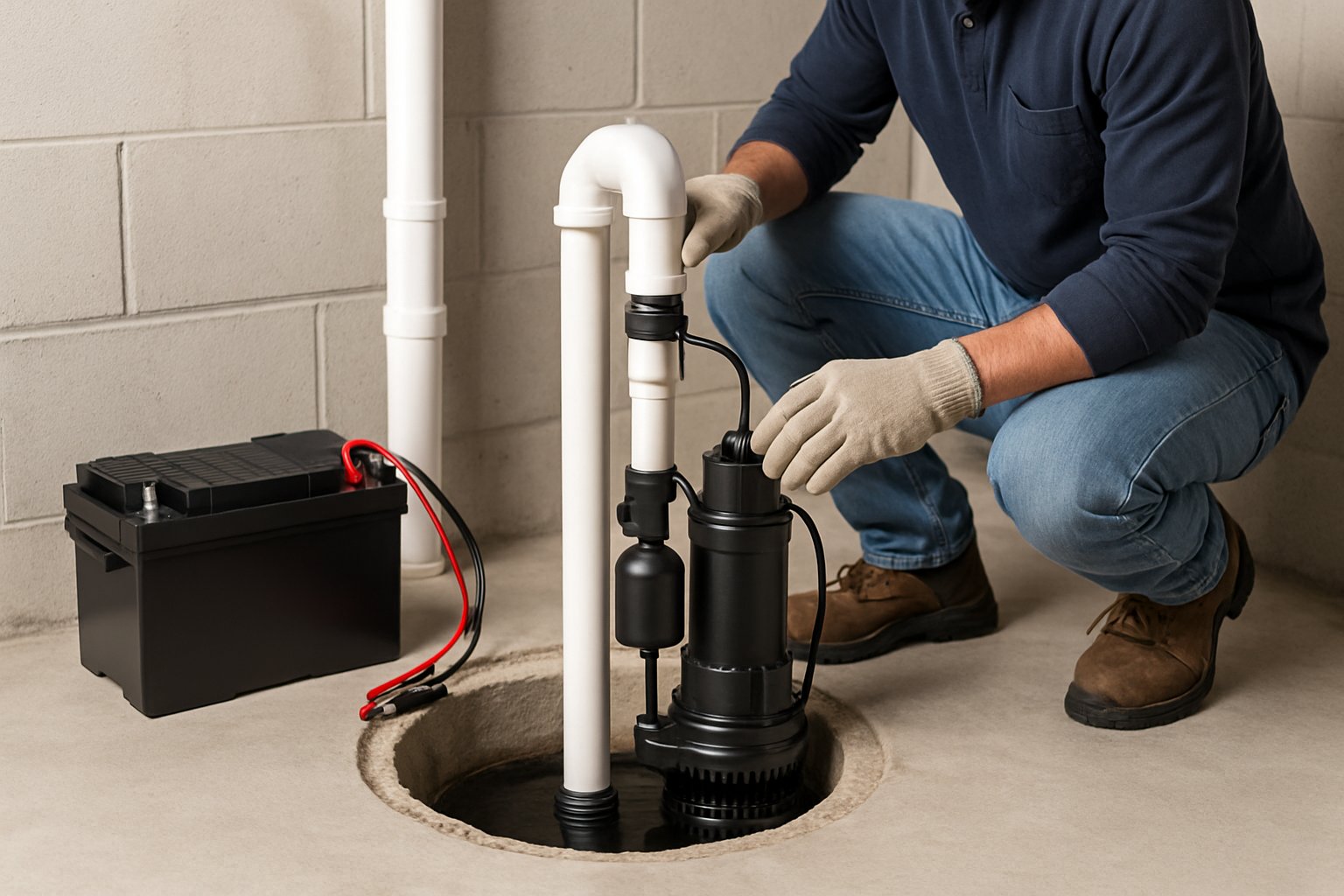
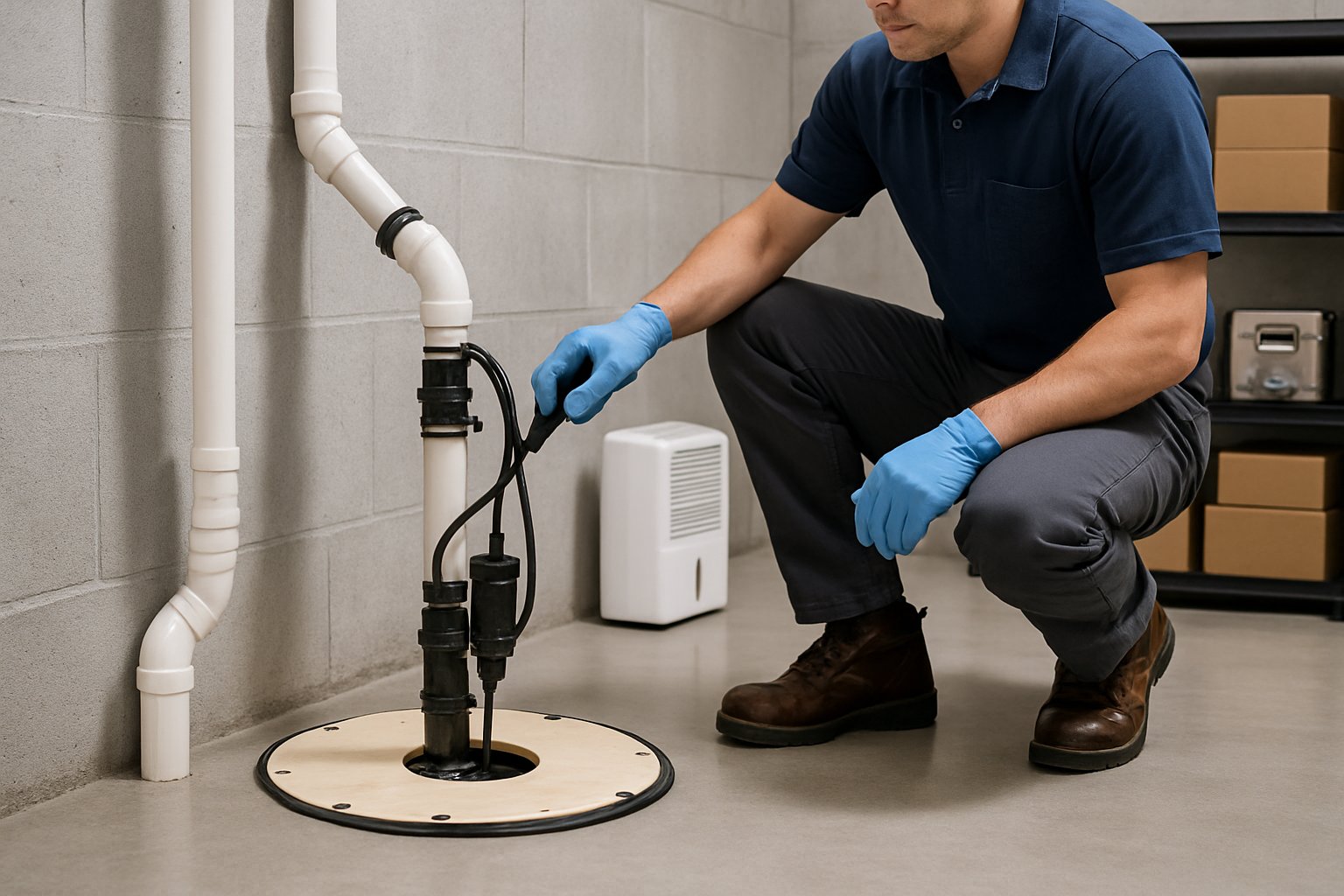
A sump pump pulls water out of the lowest part of your basement. It sits in a pit (the sump basin) and kicks on when water starts to rise.
Most sump pumps need electricity. So, if the power goes out during a storm, your basement is suddenly at risk.
A battery backup sump pump system comes to the rescue when the main power fails or your primary pump quits.
This backup uses a rechargeable battery and a second pump, which stay ready while your main system runs on house power.
To install it, you put the backup pump right next to your main pump in the sump pit. Both pumps connect to the same discharge pipe that sends water away from your place.
A control panel goes on the wall above where flooding could reach. It keeps an eye on both pumps and switches to battery if needed.
When your main pump fails or loses power, the backup senses it and starts moving water using battery juice.
Most battery backups run for several hours during an outage. How long depends on water volume and battery size.
Adding a backup sump pump gives you peace of mind during storms and blackouts. It keeps you from facing a wet mess and expensive repairs.
Just remember to check the battery charge every month. Give the backup pump a test run every few months to make sure it’s ready when you need it.
2) Maintain and clear gutters and downspouts to ensure proper drainage
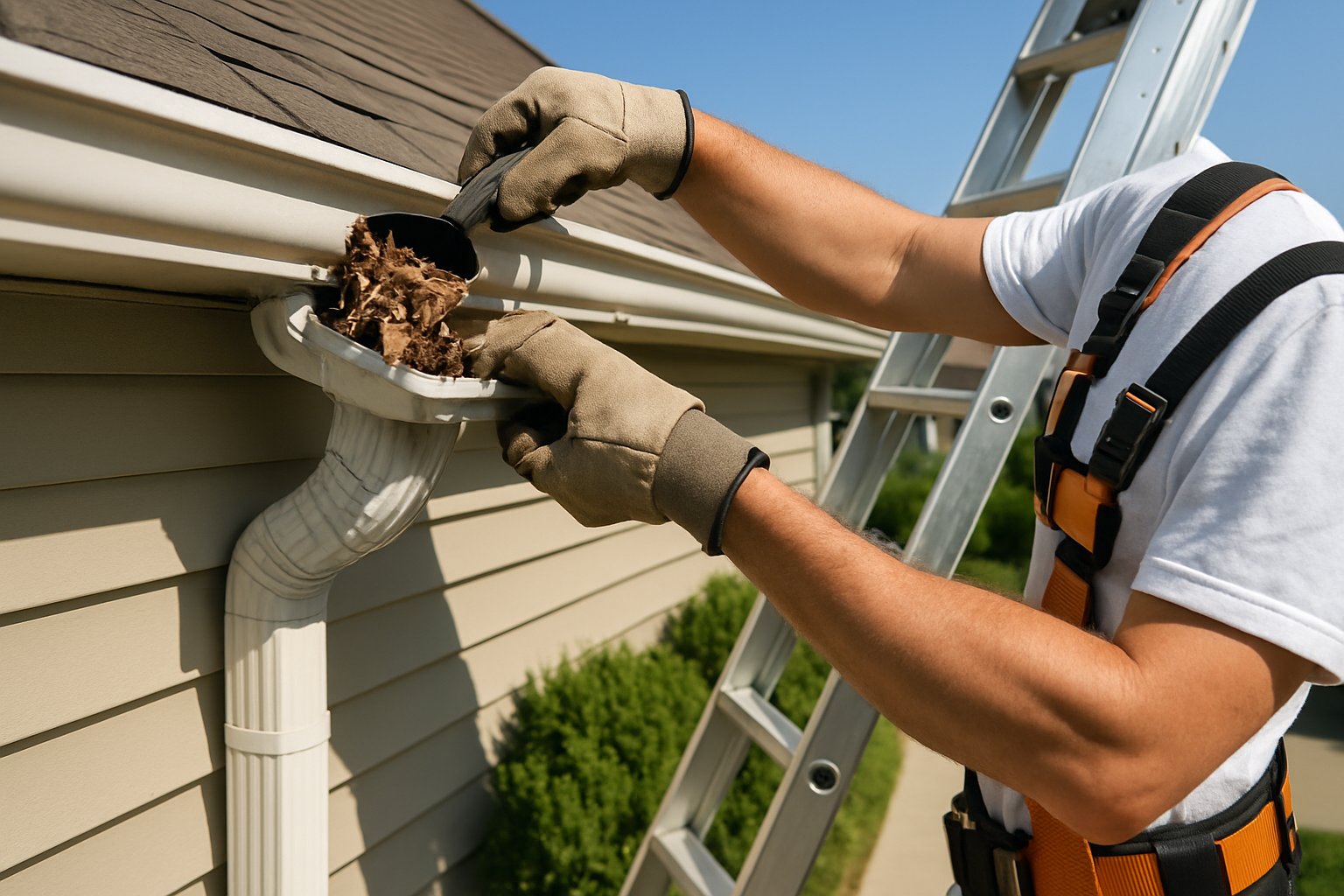
Clean gutters matter more than folks realize—they send water away from your foundation. When leaves and dirt clog them, water overflows and ends up pooling right by your house.
That overflow can push water through cracks or weak spots in your basement walls. Wet soil around the foundation just ups your seepage risk.
Regular cleaning clears out the gunk that blocks water flow. Twice a year is a good rule—spring and fall. If you’ve got lots of trees, you might need to do it more often.
Downspouts matter too. They carry water from the gutters down to the ground and away from your basement.
Run water through each downspout with a hose. If it backs up or trickles out, you’ve got a clog. Use a plumber’s snake or a pressure washer to clear it.
Extensions help a lot—make sure your downspouts dump water at least 5 to 10 feet from the foundation. After storms, double-check that they’re still connected and pointed the right way.
Ice dams in winter happen when gutters can’t drain. The trapped water freezes and expands, sometimes damaging your roof and causing leaks that find their way to the basement.
3) Seal foundation cracks and gaps to prevent water seepage
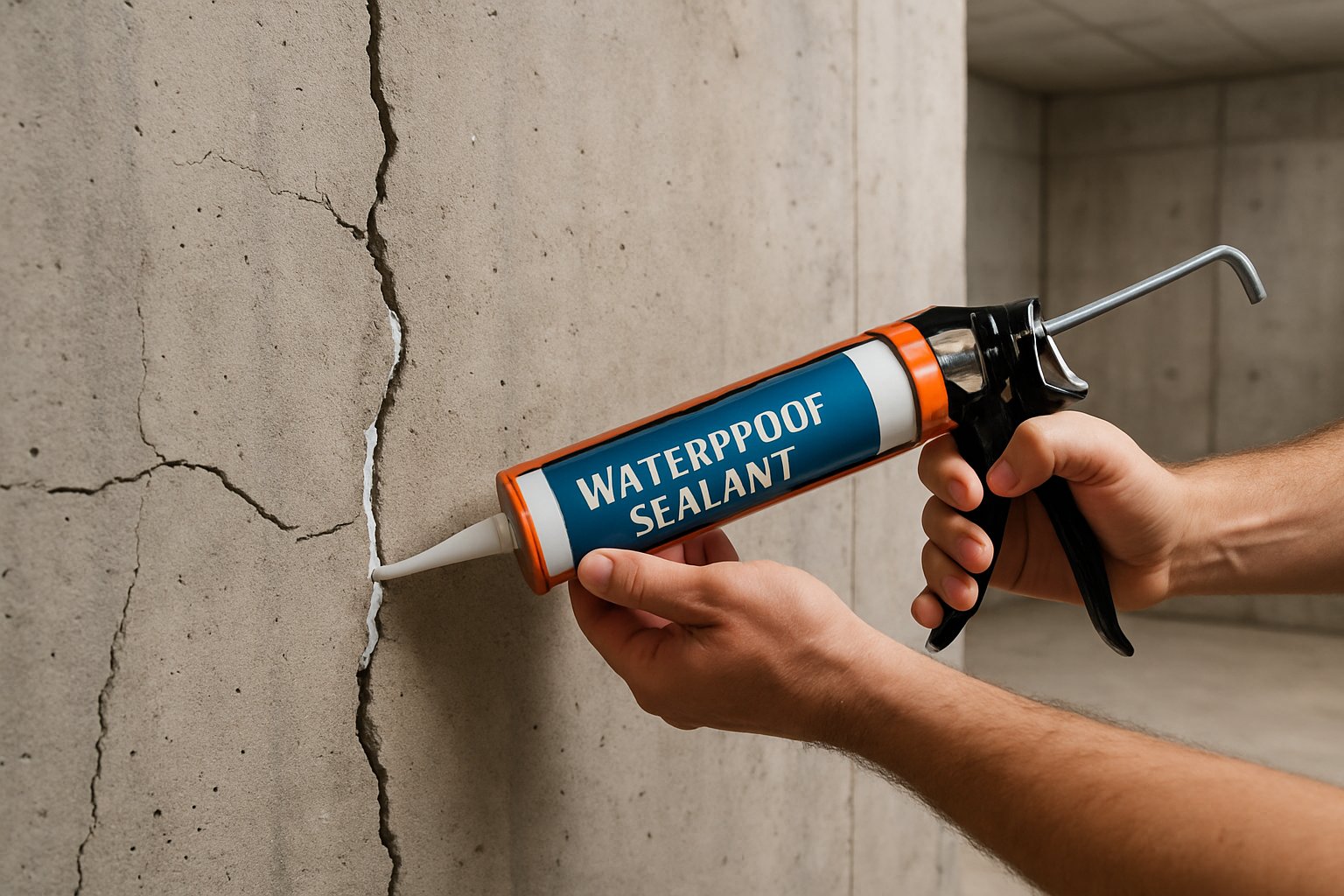
Cracks in the foundation are like open doors for water. Even tiny ones can let in a surprising amount during heavy rain or when snow melts.
Take a walk around your foundation now and then. Look for hairline cracks and bigger gaps, especially near the edges.
Hydraulic cement is great for sealing most cracks. It expands as it dries, locking out water.
For smaller cracks, epoxy injection works too. The epoxy fills the crack and hardens, making a waterproof barrier.
Clear out any loose debris before you seal. A wire brush or some compressed air gets rid of dirt so the sealant sticks.
If you spot a crack wider than a quarter inch, it’s time to call a pro. That could mean some bigger foundation issues.
Sealing cracks from inside keeps water out right away. Sealing from the outside stops it before it even touches your walls.
Don’t forget to check mortar joints between blocks. Those joints can open up over time and let water sneak in.
If you catch small cracks early, they’re cheap to fix. Letting them go just leads to bigger headaches and bigger bills.
Concrete moves with the seasons, expanding and contracting. Check your foundation every year and reseal any spots that look iffy.
4) Grade landscaping to slope away from the foundation

The right yard slope keeps water from pooling near your basement walls. You want water to run away, not toward the house.
The ground should drop at least 6 inches over the first 10 feet from your foundation. That minimum slope makes a real difference.
Pile up soil around the foundation and shape it into a gentle slope. The soil right next to the house should be highest, then it falls away as you move out.
If your yard slopes toward the house, you’ve got “negative grading.” Negative grading causes all sorts of problems, including basement leaks and even foundation damage.
Aim for a slope of 1 to 2 inches per foot for the first few feet. Gravity will handle the rest during a downpour.
Pack the soil down after grading so it doesn’t settle and create low spots. Any dips near the foundation can trap water and put you back at square one.
Keep an eye on your yard over time. Erosion or landscaping changes can mess up your slope, so check it now and then.
Understanding Common Causes of Basement Flooding
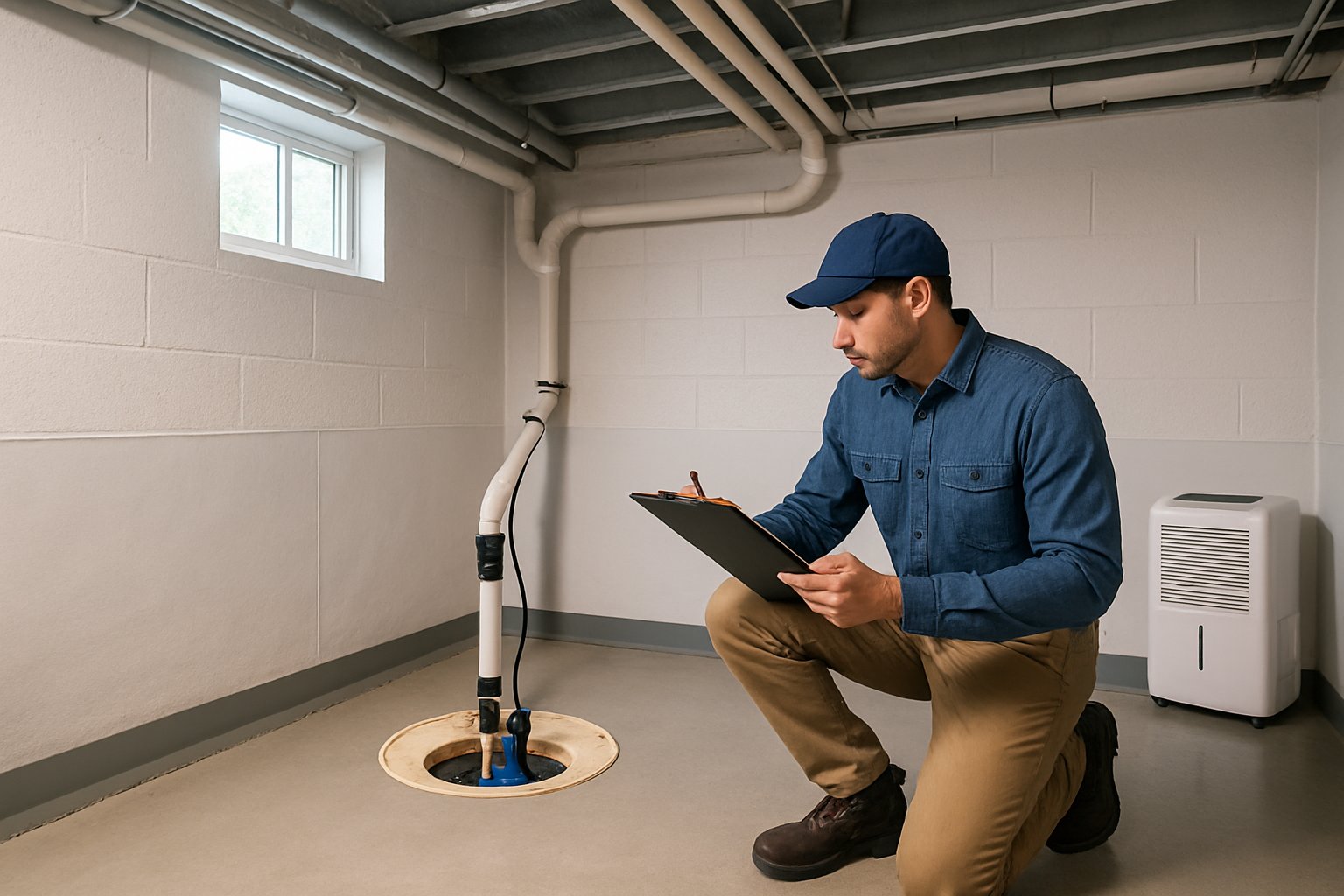
Water finds its way into basements through three main routes: pressure from the ground, weak spots in the structure, and poor water management around the house.
Hydrostatic Pressure and Water Table Levels
Hydrostatic pressure builds up when groundwater collects around your foundation. That pressure pushes against basement walls and floors, especially after big storms or quick snowmelt.
The water table is the top level of saturated soil under your property. If it rises above your basement floor, water will look for any crack or gap to sneak in.
Homes in low spots or near lakes and rivers tend to deal with more pressure and bigger water table swings.
Main factors that crank up pressure:
- Heavy rain or snowmelt
- Poorly draining soil
- Being close to water sources
- Deep basements below the water table
Even a little extra pressure can push water through concrete. Knowing what causes basement flooding helps you spot trouble before it starts.
Foundation Cracks and Construction Gaps
Cracks show up in foundations from settling, temperature swings, and just plain old stress. They let water in whenever things get wet outside.
Even hairline cracks can grow if you ignore them. Horizontal cracks are more serious and usually mean you need help right away.
Gaps pop up where different building materials meet—like window wells, pipes, or where foundation sections join.
Common crack types:
- Vertical cracks from settling
- Horizontal cracks from pressure
- Step cracks in block walls
- Shrinkage cracks in new concrete
Lousy construction leaves you with weak spots. If builders skip waterproofing or use cheap materials, you’ll see issues sooner.
Walk around your foundation every so often. Catching cracks early makes repairs easier and cheaper.
Improper Grading and Drainage Issues
Good grading sends rainwater away from your house. If your yard slopes toward the foundation, water pools by the walls instead of draining off.
Gutters and downspouts should move roof water at least six feet from the house. If they’re clogged, water spills over and soaks the soil by your basement.
Preventing basement flooding really comes down to working drainage.
Key drainage pieces:
- Gutters that can handle heavy rain
- Downspout extensions or underground pipes
- French drains along the foundation
- Sump pumps for extra-vulnerable basements
Landscaping choices can help or hurt. Thick plantings near the house trap moisture, and hard surfaces like patios can send water right to your foundation if they’re not sloped right.
Keep the soil sloping away from your house—about six inches over ten feet does the trick.
Maintaining Your Basement for Long-Term Protection
Staying on top of maintenance can save you from major headaches and big repair bills. Regular checks and upkeep go a long way in keeping your basement dry.
Regular Inspection and Early Detection
Take a look around your basement every few months. You’ll want to catch problems early, before they turn into a flood.
Cracks in the walls or floors are signs water might be getting in. Watch for new cracks or ones that seem to be growing.
Check where the walls meet the floor—those joints can be weak spots. Peek into window wells for standing water or piles of leaves that block drainage.
Test the basement’s humidity with a cheap gauge. If you see readings above 60%, you’ve probably got a moisture issue.
If you spot white, chalky marks on the walls (efflorescence), that’s a sign water is moving through the concrete.
Look around pipes, outlets, and utility connections too. Those areas often start leaking first.
Importance of Sump Pump Maintenance
Sump pumps tend to fail right when you need them most, especially during heavy storms. Try testing the pump every month—just pour some water into the pit and make sure it kicks on.
Clean out debris from the pump intake screen about once every three months. Rocks, leaves, or even some mud can jam things up if you’re not paying attention.
Check the discharge pipe now and then to keep it clear of ice or leaves. If that pipe gets blocked, water can back up straight into your basement.
Swap out the backup battery every two or three years, regardless of how it looks. Batteries that seem fine might still let you down during a power outage.
Keep an ear out for weird noises like grinding or rattling. If you hear anything off, go ahead and replace those parts before they completely give out.
Make sure the float switch isn’t getting stuck. If it can’t move freely, your pump won’t turn on when you need it, and that’s a mess nobody wants.