Types of Hardscape Improvements
Why it matters
Hardscape improvements shape the functionality and style of outdoor spaces. Choosing the right types enhances usability and complements landscaping. Poorly planned hardscapes can lead to drainage issues or structural problems.
Patios and Decks
Patios and decks create outdoor living areas for relaxation and entertainment. Patios are usually made from stone, concrete, or pavers, offering a solid, durable surface. Decks are typically wooden or composite, elevated above ground.
One challenge is ensuring proper drainage to avoid water pooling. Decks require regular maintenance to prevent rot and insect damage. Selecting materials that suit the climate and intended use is crucial to avoid premature wear.
Walkways and Pathways
Walkways and pathways guide foot traffic and connect different parts of a property. They can be constructed from gravel, stone, brick, or concrete. A common mistake is neglecting the base preparation, which can cause uneven settling and trip hazards.
Designers must balance aesthetics with durability, especially in high-traffic areas. Slopes and drainage must be managed to prevent erosion or water accumulation along the path. Your hardscape contractor will know how to handle these drainage issues with ease.
Retaining Walls
Retaining walls support soil and prevent erosion on sloped terrain. They also create usable flat spaces in hilly yards. Improper construction can lead to wall failure, which risks property damage and safety hazards.
Engineers must consider soil type, drainage behind the wall, and load-bearing requirements. Using the wrong materials or skipping drainage layers often causes cracks or collapse.
Driveways and Parking Areas
Driveways and parking areas must withstand vehicle weight and frequent use. Common materials include asphalt, concrete, and interlocking pavers. A critical design factor is the base layer; insufficient compaction leads to cracking and potholes.
For a detailed overview of design and installation considerations, consult this comprehensive hardscaping guide.
Outdoor Fireplaces and Fire Pits
Proper slope is essential to direct water away and prevent pooling. Surface texture should balance traction with ease of maintenance. Cost and longevity tradeoffs influence material choice.
Outdoor fireplaces and fire pits add warmth and ambiance to outdoor spaces. They require careful placement to avoid fire hazards and comply with local codes. Using fire-resistant materials and ensuring proper ventilation are key safety considerations.
Water Features and Ponds
Designers must consider smoke direction and proximity to structures or vegetation. Poor planning can cause discomfort or damage from heat and sparks.
Water features and ponds enhance visual appeal and create soothing sounds. They need waterproof liners, pumps, and filtration systems to function properly. Neglecting maintenance leads to algae buildup and mechanical failure.
Experts often refer to the ultimate guide to hardscapes for best practices in combining function and style.
Outdoor Kitchens and Dining Areas
Placement affects water circulation and sunlight exposure, impacting aquatic life and water quality. Electrical safety and winterizing are important in colder climates. Integrating these features requires balancing aesthetics with ongoing upkeep.
Outdoor kitchens and dining areas extend living spaces for cooking and socializing. They involve plumbing, electrical, and durable materials that withstand weather. Poor planning can result in inefficient layouts or costly repairs.
Designers must consider workflow, ventilation, and seating capacity. Material choices affect maintenance and longevity. Integrating these spaces with other hardscape elements enhances usability and value.
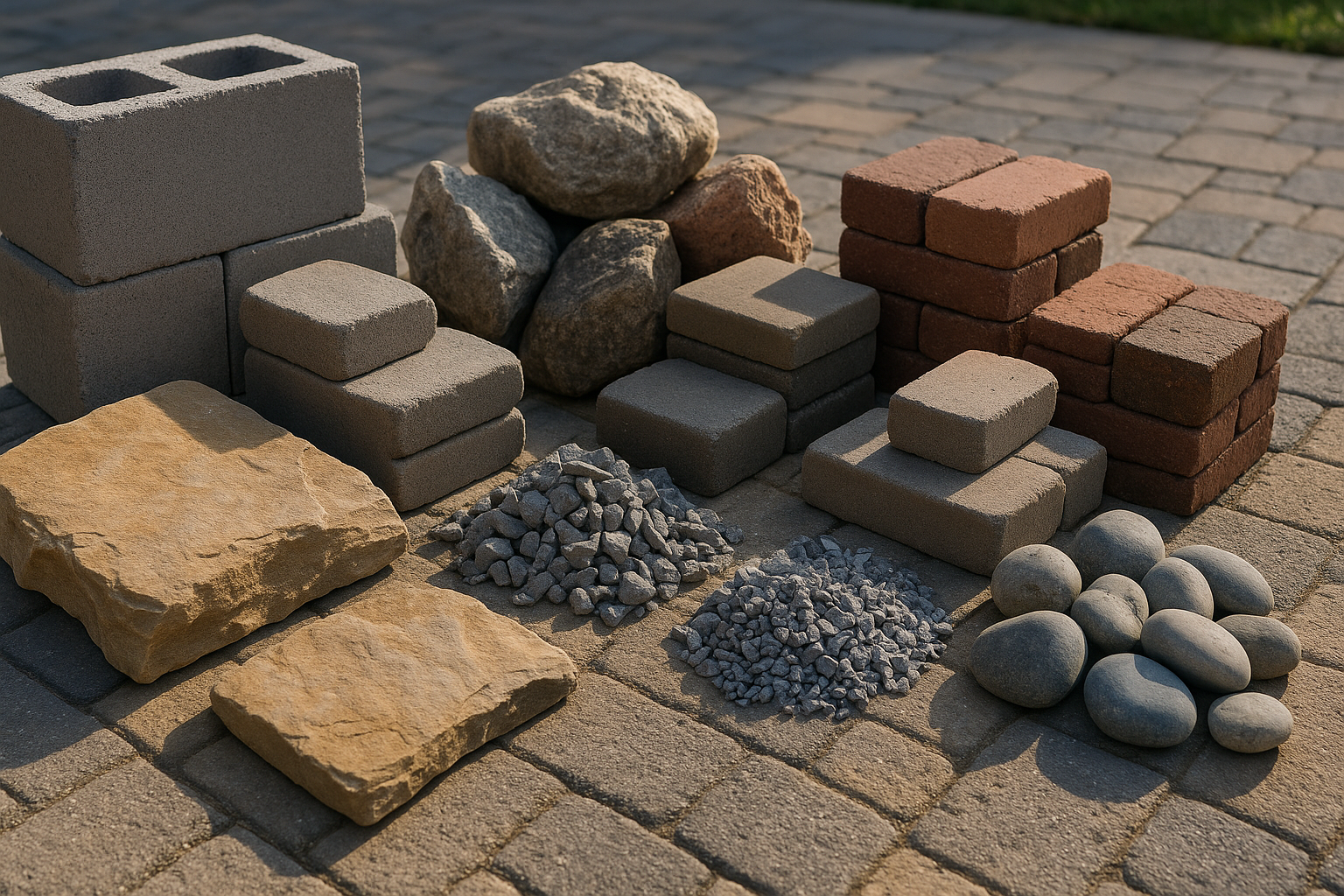
Materials Used in Hardscaping
Choosing the right materials for hardscaping affects durability, maintenance, and overall appearance. Each material has unique properties that influence installation complexity and long-term performance. Understanding these factors helps create functional and attractive outdoor spaces.
Natural Stone Options
Natural stone offers a timeless look with strong durability. Popular types include granite, slate, limestone, and flagstone. However, stones vary in porosity and hardness, which affects weather resistance and wear over time. Selecting the wrong stone can lead to cracking or staining in harsh climates.
Installation requires skill to ensure proper drainage and stability. Uneven surfaces or improper base preparation often cause shifting or settling. Designers must balance aesthetics with practical concerns like slip resistance and maintenance needs.
Concrete and Pavers
Concrete is versatile and cost-effective for patios, walkways, and driveways. Pavers come in various shapes and colours, allowing creative patterns. A common challenge is managing expansion and contraction to prevent cracking. Proper joint spacing and flexible base materials help mitigate this issue.
Concrete surfaces can be prone to staining and require sealing. Pavers offer easier repairs since individual units can be replaced. However, poor installation can cause uneven surfaces or weed growth between joints.
Brick and Cobblestone
Brick and cobblestone add classic charm and texture. Bricks are uniform and easier to install, while cobblestones provide a rustic, irregular look. Both materials require a solid base and careful levelling to avoid uneven surfaces that can cause tripping hazards.
One tradeoff is that bricks can spall or chip under freeze-thaw cycles if not properly selected. Cobblestones are more durable but often more expensive and labor-intensive to install. Drainage planning is critical to prevent water pooling and frost heave.
Wood and Composite Materials
Wood provides warmth and natural beauty but demands regular maintenance to prevent rot, warping, and insect damage. Pressure-treated lumber and naturally durable species like cedar or redwood extend lifespan but still require sealing or staining.
This section includes a detailed hardscaping materials guide that covers installation techniques and best practices for these options.
Composite materials combine wood fibers with plastic for lower maintenance and improved weather resistance. However, composites can fade or become slippery when wet. Both wood and composites must be installed with proper ventilation and drainage to avoid moisture buildup.
Gravel and Decomposed Granite
Understanding the tradeoffs between initial cost, upkeep, and longevity is essential when choosing these materials.
Gravel and decomposed granite are affordable and easy to install for paths and patios. They provide good drainage but can shift or scatter without proper edging and compaction. Loose surfaces may not suit all uses, especially where mobility devices or high foot traffic are common.
Decomposed granite compacts well but can erode over time if not stabilized. Gravel requires periodic replenishing and weed control. Designers must consider these maintenance demands and potential surface instability when selecting these materials.
Metal Accents and Features
Considering these factors helps integrate metal accents effectively with other hardscape materials. Exploring various hardscape material options can inspire balanced design choices that combine aesthetics with durability.
Metal elements like edging, railings, and decorative features add contrast and structure. Common metals include steel, aluminum, and corten steel. While metals offer strength and modern appeal, they can corrode or heat up in direct sun if not properly treated.
Choosing the right metal finish and thickness is crucial to prevent rust and deformation. Installation must account for expansion due to temperature changes to avoid warping or joint failure.